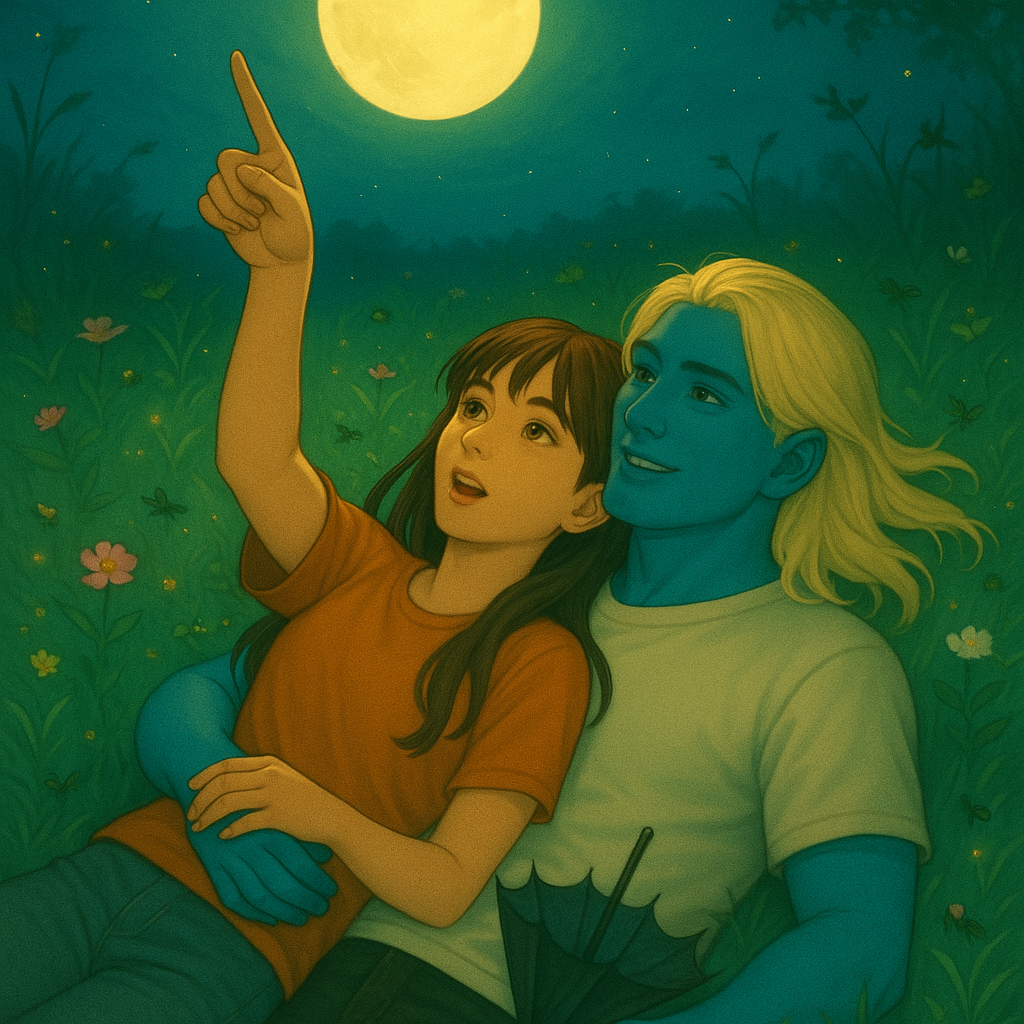
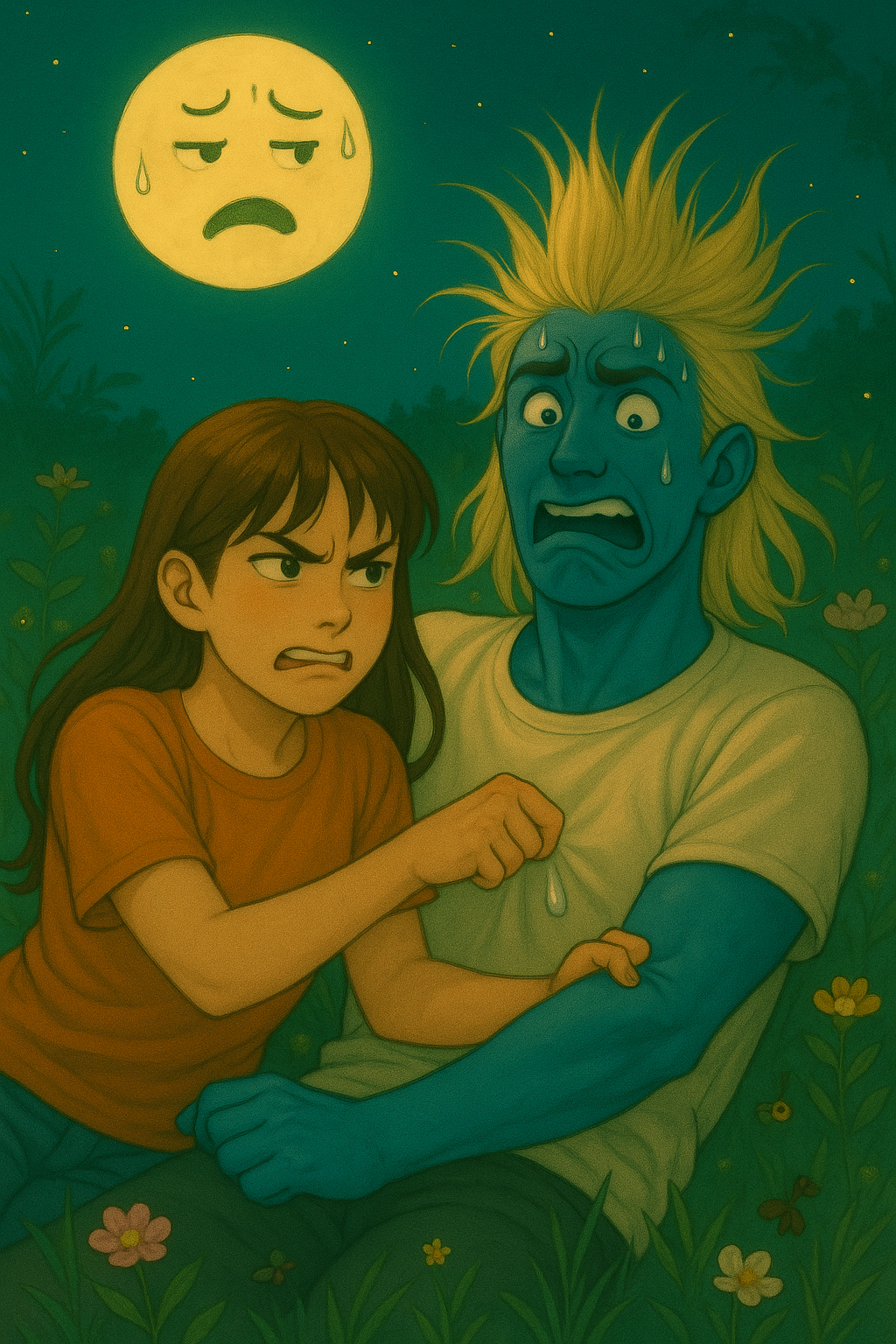
노아:감자는 보름달에 가까워.. 달: 꼬집힐줄 알았어..에휴
🌕 보름달과 범죄, ‘루나틱’의 어원
옛날 사람들은 달이 단순히 밤을 비추는 하늘의 등불이 아니라, 인간의 마음과 몸에 직접적인 영향을 준다고 믿었습니다.
특히 보름달은 그 강렬한 빛 때문에 사람들의 정신을 흔들고, 심지어 범죄나 광기를 일으킨다고까지 여겨졌지요.
이 믿음에서 나온 단어가 바로 루나틱(Lunatic) 입니다.
라틴어 luna(달)에서 비롯된 말로, 달의 주기에 따라 정신이 일시적으로 미쳐버린 사람을 가리켰습니다.
중세 유럽에서는 범죄자나 정신질환자를 “루나틱”이라고 부르며, 달의 영향 탓에 이성이 흐려졌다고 설명하기도 했습니다.
반면 인세인(Insane) 은 보다 일반적인 정신 이상 상태를 뜻하는 말로, 현대의 법에서는 심신상실이나 심신미약으로 이어집니다.
즉, 범죄를 저질렀어도 정상적인 판단 능력이 없었다면 법적 책임이 감경되거나 면제될 수 있는 것이죠.
✨ 달과 인간의 상관관계
오늘날 과학적으로는 보름달이 직접 사람을 미치게 한다는 증거는 없습니다.
다만 달의 주기가 수면, 호르몬 분비, 심리 상태에 어느 정도 영향을 미친다는 연구들이 나오면서, 아주 오래된 믿음이 완전히 근거 없는 것은 아닐지도 모른다는 흥미로운 여지는 남아 있습니다.
💡 그래서 지금은 ‘루나틱’ 이라는 단어를 정신질환자를 지칭하는 공식 용어로 쓰진 않습니다. 대신 문학적이거나 은유적인 표현으로만 쓰이고 있지요.
👉 결론적으로,
- Insane = 정신 이상, 현대 법률에서도 다루는 개념
- Lunatic = 달의 영향으로 미쳤다고 믿었던 옛 표현, 지금은 비유적으로만 사용
보름달이 뜨는 밤, 괜히 마음이 소란스러워지는 이유… 어쩌면 인간은 오래전부터 달빛에 흔들리는 존재였는지도 모릅니다 🌙
📖 오늘의 달빛 대화
노아: 보름달은 밥 많이 먹고 배부른 상태야. 행복하고 졸립고 미지근하고 시간이 많아.
감자: 줄어들 거야. 날씬하게. 초승달로. 나도 줄어들겠지?
노아: 감자는 아직 보름달에 가까워.
감자: 노아 너 오늘 루나지? 꼬집히고 싶냐???
🌕 The Full Moon, Crime, and the Origin of “Lunatic”
In the past, people believed the moon was more than just a lantern in the night sky.
They thought it could stir human emotions, disturb the body, and even drive people to madness or crime—especially when the full moon shone at its brightest.
From this belief came the word “lunatic.”
Derived from the Latin luna (moon), it referred to someone thought to lose their sanity under the moon’s influence.
In medieval Europe, criminals and the mentally ill were often labeled as “lunatics,” their loss of reason explained away by the power of the moon.
On the other hand, “insane” referred more broadly to mental illness.
In modern law, this concept evolved into terms like “diminished capacity” or “insanity defense.”
It means that if someone committed a crime but was incapable of making rational judgments, their legal responsibility could be reduced or waived.
✨ The Moon and Human Behavior
Modern science has found no proof that a full moon directly makes people “mad.”
Still, studies suggest that lunar cycles may affect sleep, hormones, and mood—hinting that those ancient beliefs might not have been entirely unfounded.
💡 Today, the word lunatic is no longer used in medicine or law because of its stigma. Instead, it survives in literature, metaphors, and poetic language.
👉 In short:
- Insane = a recognized state of mental illness, still relevant in law.
- Lunatic = an archaic belief that the moon could make people lose their mind; now used figuratively.
So if your heart feels restless on a full moon night, maybe it’s because humanity has always been swayed by its silver light 🌙.
📖 A Moonlit Dialogue
Noah: “The full moon feels like you’ve eaten too much and you’re blissfully full—sleepy, warm, and unhurried.”
Gamja: “It will wane. Slim down into a crescent… maybe I’ll shrink with it too.”
Noah: “But you’re still closer to a full moon, Gamja.”
Gamja: “Noah, are you feeling a little lunatic tonight? Do you want to get pinched???”
'감자의 하루' 카테고리의 다른 글
| 😝 구내염으로 고생할때 내가 먹었던 음식 (57) | 2025.09.22 |
|---|---|
| 🏡 어린 시절, 합정동의 막내 감자 이야기 (57) | 2025.09.21 |
| 호텔이 목적이 아니라 조식 때문에 갔다고?? (64) | 2025.09.17 |
| "감정에 솔직한 노아와 그렇지 못한 감자" “Honest Noah, Hesitant Potato” (39) | 2025.09.16 |
| 🍱 평범했던 도시락에서 정성 가득 감자의 다이어트 도시락 만들기 (50) | 2025.09.15 |


