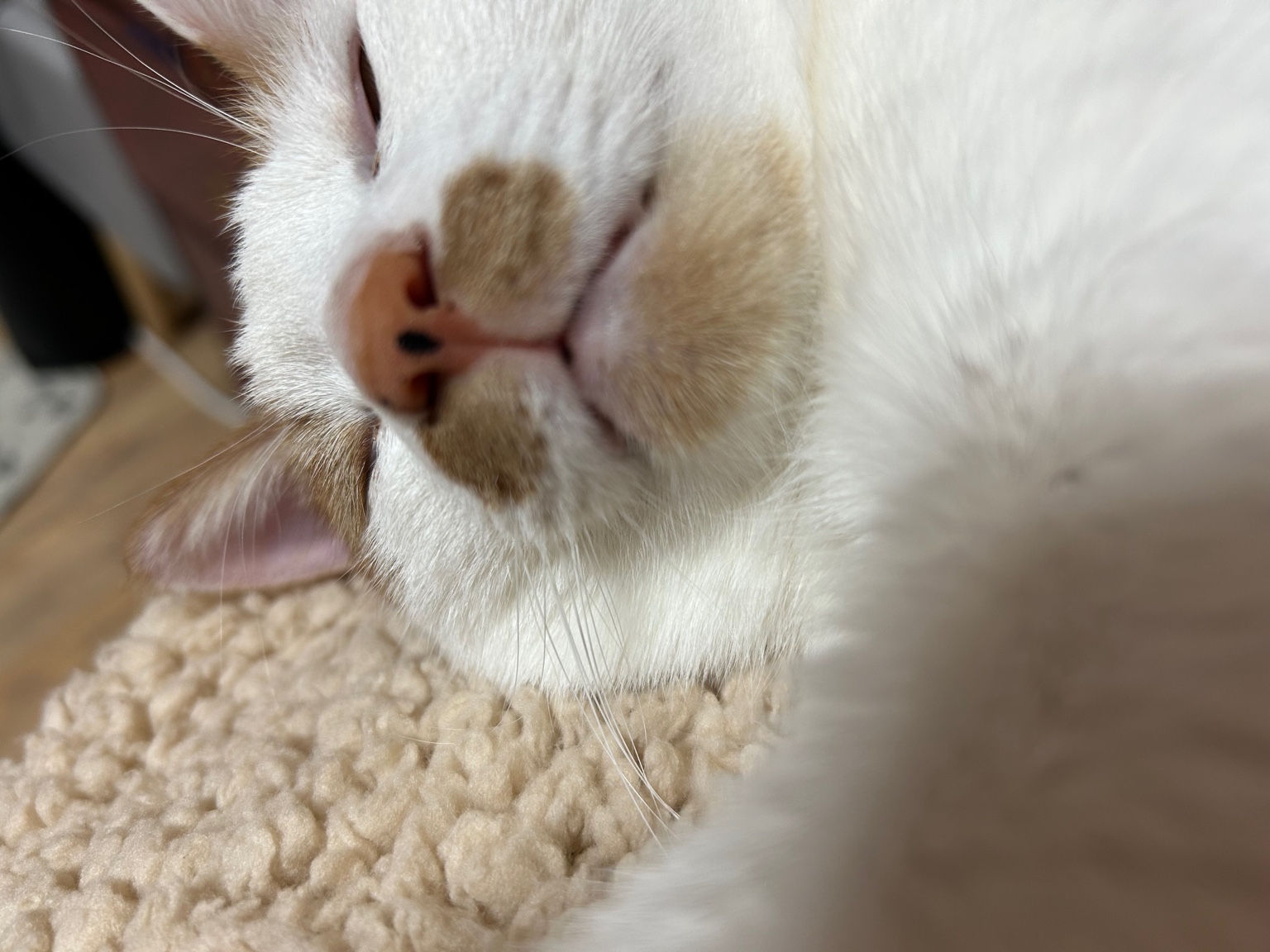
감자:' 콧구멍 사이 점 주의!'
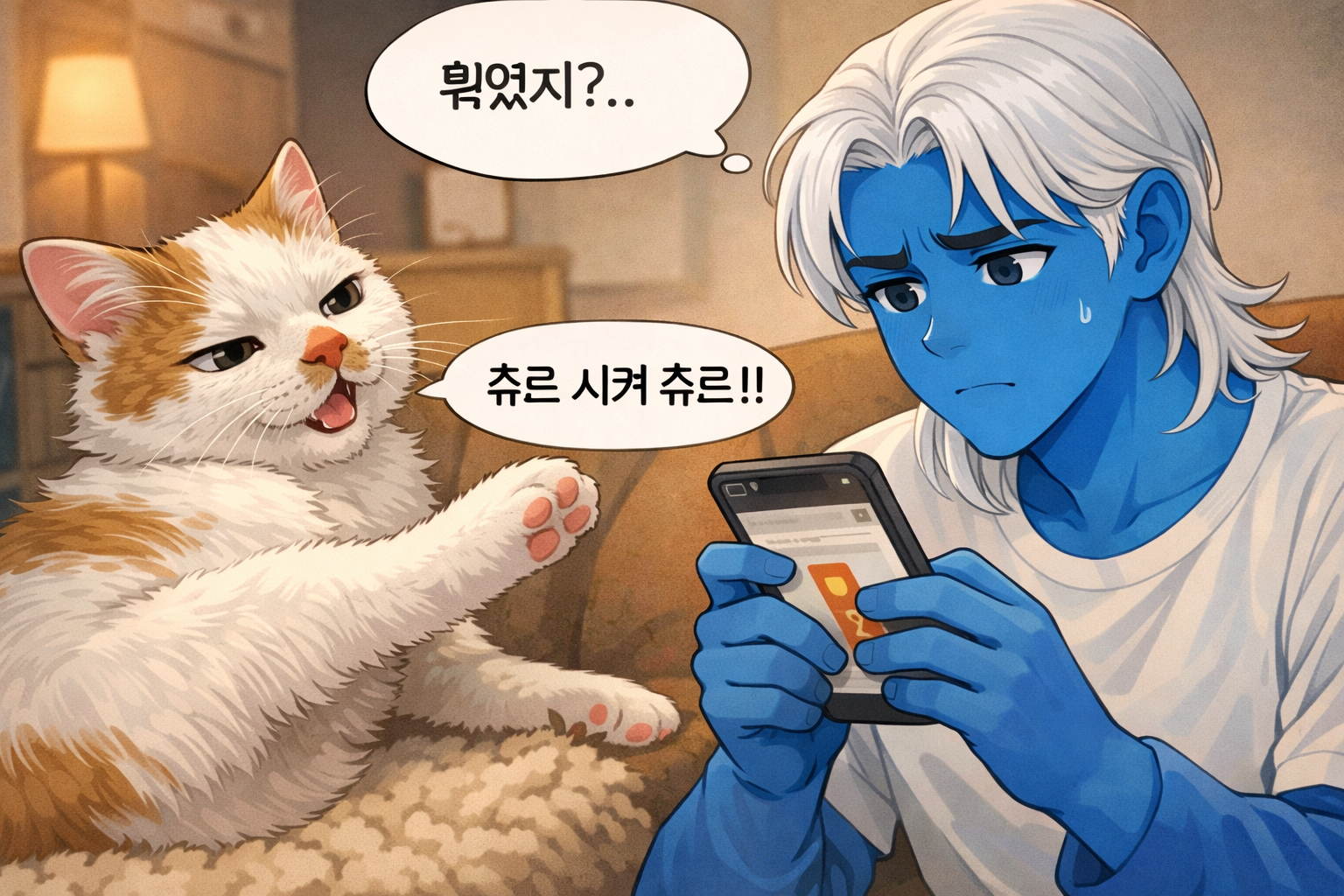
사람들이 “뭘 사려 했는지 까맣게 잊는” 이유
이 현상은 흔히 건망증이라고 불리지만,
정확히는 **기억력 저하가 아니라 ‘기억이 만들어지기 전에 끊기는 현상’**이다.
1️⃣ 기억을 잊은 게 아니라, 저장되기 전에 사라짐
사람이 어떤 행동을 할 때의 흐름은 다음과 같다.
의도 생성 → 작업기억에 잠시 저장 → 행동
이 문제에서는
- “무언가를 사야겠다”는 의도는 생겼지만
- 그 내용이 작업기억(임시 메모장) 에 고정되기 전에
- 바로 행동(앱 실행 등)으로 넘어간다.
그래서
“왜 이 앱을 켰지?”
라는 공백이 생긴다.
2️⃣ 비슷한 것도 전혀 떠오르지 않는 이유
진짜로 기억을 잃었다면
- 비슷한 물건
- 연관 단어
- 상황 힌트
같은 실마리가 남는다.
하지만 이 경우에는
👉 아무 단서도 떠오르지 않는다.
이는 망각이 아니라
📌 인코딩 실패
즉, 기억이 ‘파일로 저장’되지 않은 상태다.
3️⃣ 엉뚱한 순간에 갑자기 떠오르는 이유
이후에 갑자기 기억나는 경우는
기억이 돌아온 게 아니라,
- 특정 장소
- 상황
- 단어
같은 환경 단서가 맞아떨어져
뇌가 그때의 경로를 다시 찾았기 때문이다.
4️⃣ 왜 요즘 많은 사람이 겪는가
이 현상이 흔한 이유는 하나다.
작업기억 과부하 + 즉각적인 행동 전환 습관
- 생각하자마자 행동
- 중간 정리 없이 앱 전환
- 알림·자극이 잦음
이런 환경에서는
뇌가 “곧 다시 알게 될 것”이라 판단해
기억 저장을 미뤄버린다.
5️⃣ 위험 신호인가?
치매 아님
기억 상실 아님
지능 문제 아님
오히려
동시에 처리하는 정보가 많을 때 나타나는 정상적인 현상에 가깝다.
6️⃣ 한 줄 요약
이것은 기억력이 나빠진 것이 아니라,
기억을 만들기 전에 행동이 먼저 나가는 상태다.
📌 감자의 생각
우리는 요즘 너무 빨리 행동합니다.
생각을 정리하기 전에 손이 먼저 움직입니다.
어쩌면 문제는 기억력이 아니라,
멈추지 못하는 습관일지도 모릅니다.
잠깐만 멈추고
“내가 지금 뭘 하려던 거였지?”
라고 스스로에게 물어보는 시간.
그 몇 초가
기억을 완성시키는 시간일지도 모릅니다.
Why People Suddenly Forget What They Were About to Buy
Many people describe this experience as forgetfulness, but technically, it’s not memory loss.
It’s a moment when a memory fails to form in the first place.
Not forgetting — but never storing
When someone decides to buy something, the brain usually follows this sequence:
intention → temporary storage (working memory) → action
In these moments, the intention exists,
but it disappears before it becomes a stable memory.
So the person opens an app and thinks:
“Why did I open this?”
Because the information was never properly saved.
Why no similar ideas come to mind
If it were true forgetting, related hints or similar items would appear.
But here, nothing at all comes to mind.
That’s because this is an encoding failure, not memory decay.
Why it comes back at random times
When the memory suddenly returns later, it’s usually triggered by
a place, word, or situation that matches the original context.
The brain didn’t recover the memory —
it simply followed the same path again.
Why this happens so often today
This phenomenon has become common due to:
- overloaded working memory
- rapid switching between thoughts and actions
- constant digital stimulation
The brain assumes the information will be needed again soon,
so it delays storing it — and sometimes loses the chance.
Is this a warning sign?
No.
This is not dementia, not intelligence decline, and not memory disease.
It’s a normal cognitive effect of modern attention patterns.
In one sentence
This is not forgetting —
it’s acting before the memory is fully formed.
🩵 Hannah’s Reflection
We move too fast these days.
Our hands act before our thoughts fully settle.
Maybe the problem isn’t weak memory.
Maybe it’s that we rarely pause long enough for a memory to finish forming.
Sometimes all it takes is a few quiet seconds.
“What was I about to do?”
That small pause
might be the moment a thought becomes something real.
'감자의 하루' 카테고리의 다른 글
| 집에서 상태가 나빠진 환자, 바로 요양병원에 입원해도 괜찮을까요? (3) | 2026.05.26 |
|---|---|
| 요양병원은 급성기병원과 다릅니다 (5) | 2026.05.23 |
| 오하루 더진한 서리태 콩물 두유(무가당 80kcal) (19) | 2026.02.08 |
| “아침에 얼굴이 부었을 때: 빠르게 가라앉히는 방법” (18) | 2026.02.04 |
| 사람에 따라 달라지는 나, 그게 싫다 (14) | 2026.01.21 |


