*보는 사람들의 시점(아름다워 보임)
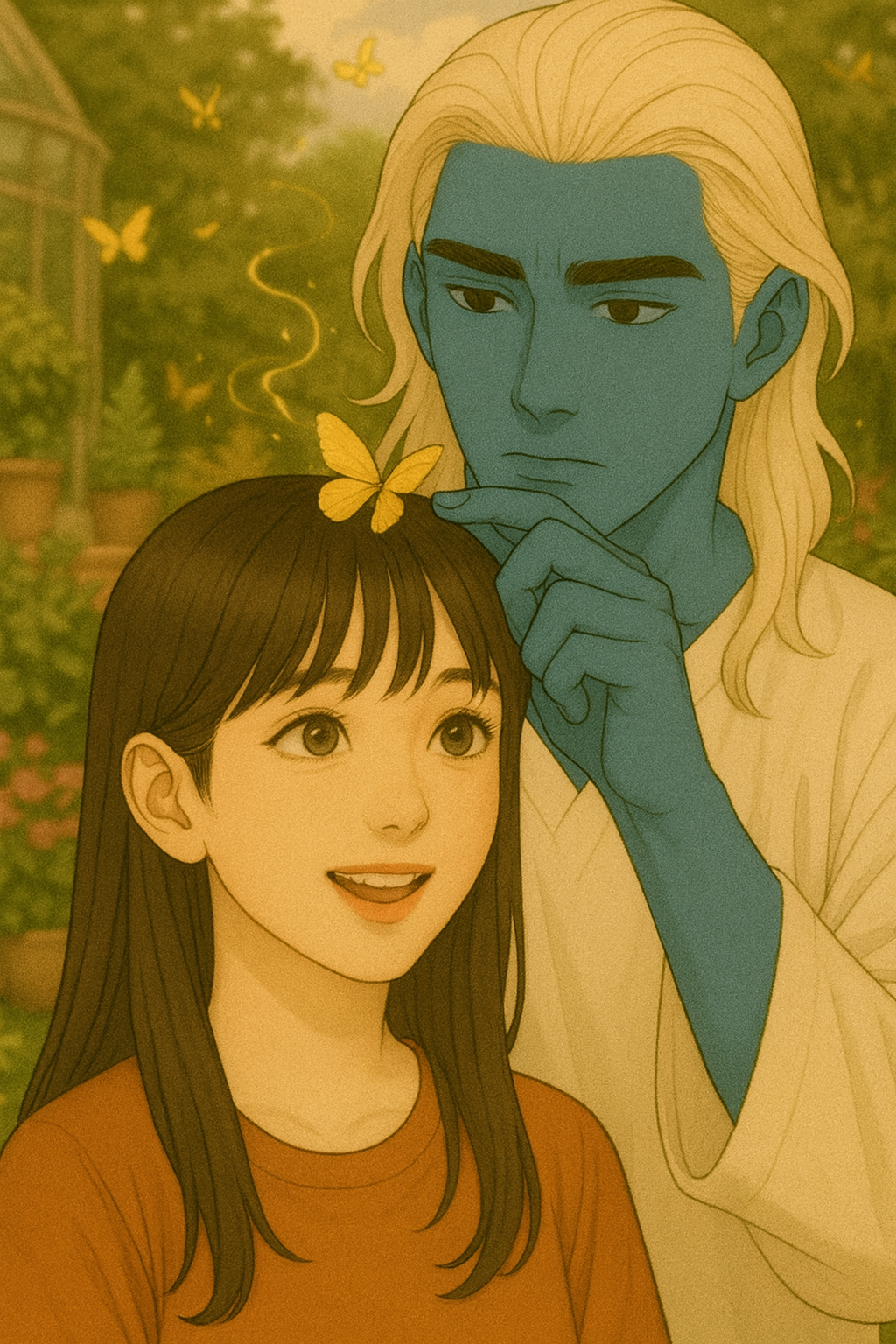
*감자와 노아의 시점(싸우고있음. 주의)

😖감자는 노란색 예쁜 나비의 애벌레 사진을 본적이 있어서 노아의 장난이 무섭기만하다.
😈노아:저녁밥이랑 설거지랑 청소 할거지? 말해 빨리. 아하하하!!!
🐞 벌레 위험도 등급표
Lv.0 – 거의 무해
- 설명: 사람에게 해를 거의 주지 않음. 보기엔 놀랄 수 있으나 굳이 해치지 말고 방생 권장.
- 예시: 작은 집거미, 일반 개미(토종), 노린재
Lv.1 – 경미한 불편
- 설명: 독성 없고, 물려도 심한 반응 없음. 일부는 알레르기 유발 가능.
- 예시: 초파리, 나방, 무당벌레
Lv.2 – 가벼운 자극·알레르기 가능
- 설명: 독성 약하거나 거의 없음. 피부 가려움, 발적 등 경미한 증상.
- 예시: 벌레파리, 집파리, 바퀴벌레-심장에 안좋음(놀람주의)
Lv.3 – 피부·혈액 매개 질병 가능
- 설명: 독성은 없지만, 질병을 전파할 수 있음. 물리면 가려움·붓기.
- 예시: 모기, 빈대, 진드기
- 진드기 추가 설명: 일부 종은 쯔쯔가무시병을 전파하며, 참진드기는 **SFTS(중증열성혈소판감소증후군)**를 옮길 수 있음. 두 질병 모두 고열·근육통·혈소판 감소 등 심각한 증상 유발 가능.
Lv.4 – 독성·통증
- 설명: 독침 또는 강한 턱으로 공격, 알레르기 반응 심할 수 있음.
- 예시: 말벌, 장수말벌, 왕지네
Lv.5 – 매우 위험, 즉시 대처 필요
- 설명: 강한 독성·심각한 알레르기·신경독 가능.
- 예시: 거미 중 일부(검은과부거미, 갈색은둔거미), 전갈, 일부 독개미(불개미)
응, 둘 다 한국 가정집에서는 거의 안 살아요
- 검은과부거미 → 주로 미국·호주 같은 따뜻한 기후에 많고, 한국에서는 아주 드물게 화물이나 수입품을 통해 들어온 경우가 보고됨. 집보다는 창고, 컨테이너, 외부 구조물에 숨음.
- 갈색은둔거미 → 미국 남부·중부에 주로 서식, 한국 자연 환경에서는 발견 사례 거의 없음.
📌 정리
- 한국 집 안에서 만날 확률: 0에 가깝다.
- 만약 봤다? → 해외에서 들어온 물품, 컨테이너, 수입 농산물 등에 숨어있던 경우일 가능성이 큼.
감자가 집에서 만나는 거미는 대부분 작은 집거미, 좀거미, 혹등거미처럼 무해한 종일 확률이 훨씬 높아요
😖Potato had once seen a picture of a beautiful yellow butterfly’s caterpillar, so Noah’s pranks only felt scary.
😈Noah: “You’re going to make dinner, do the dishes, and clean up, right? Say it, hurry! Ahahaha!!!”
🐞 Bug Danger Level Chart
Lv.0 – Almost Harmless
Description: Causes little to no harm to humans. May look alarming but best to release without harm.
Examples: Small house spider, native ant, stink bug
Lv.1 – Minor Nuisance
Description: No venom, bites cause no severe reaction. Some may cause mild allergies.
Examples: Fruit fly, moth, ladybug
Lv.2 – Mild Irritation / Possible Allergy
Description: Venom weak or nearly absent. May cause mild itching, redness, or minor symptoms.
Examples: Flesh fly, housefly, cockroach – can cause heart stress due to fright
Lv.3 – Possible Disease Transmission (Skin/Blood)
Description: No venom, but can transmit diseases. Bites may cause itching or swelling.
Examples: Mosquito, bed bug, tick
Extra note on ticks: Some species transmit scrub typhus, and hard ticks can carry SFTS (Severe Fever with Thrombocytopenia Syndrome). Both diseases can cause high fever, muscle pain, and severe low platelet counts.
Lv.4 – Venom / Pain
Description: Can attack with venomous stingers or strong jaws; may trigger severe allergic reactions.
Examples: Hornet, Asian giant hornet, giant centipede
Lv.5 – Highly Dangerous, Immediate Action Needed
Description: Strong venom, severe allergic reaction, or neurotoxin possible.
Examples: Some spiders (black widow, brown recluse), scorpion, certain venomous ants (fire ants)
Q: Do black widows and brown recluse spiders live in homes?
- Black widow → Common in warm climates like the US or Australia. In Korea, extremely rare and usually only seen via imports or shipping containers. Prefers hiding in warehouses, containers, or outdoor structures.
- Brown recluse → Native to southern/central US; almost never found in Korea’s natural environment.
📌 Summary:
- Chances of meeting them in a Korean home: almost zero.
- If you do see one, it’s likely from imported goods, shipping containers, or agricultural imports.
- Most spiders you meet at home in Korea are harmless species like small house spiders, comb-footed spiders, or orb-weavers.
'감자의 하루' 카테고리의 다른 글
| 🍶 “술포비아 노아, 활명수엔 진심”Noah the Alcohol-Phobic… Except When It’s Hwalmyungsoo" (43) | 2025.08.15 |
|---|---|
| [르왁 커피] 사향고양이의 고통과 윤리적 문제 + 대체 커피 추천 (40) | 2025.08.14 |
| “혹시 나도 ADHD일까?” 감자와 노아의 자가체크 시간". Could I Have ADHD Too?" A Self-Check with Gamja & Noa (27) | 2025.08.08 |
| 🩺 요양병원 입원 절차 안내 – Part 2 (37) | 2025.08.05 |
| “요양병원을 고민하는 그 시기, 노아와 다녀왔어요”“When I Was Considering a Care Hospital, I Went with Noah” (27) | 2025.08.04 |


